Inflammatory heart disease: Causes, symptoms and treatment
Inflammatory heart diseases include various clinical pictures, depending on which part of the heart is affected. The most common include endocarditis (inflammation of the inner wall of the heart), myocarditis (inflammation of the heart muscle) and pericarditis (inflammation of the pericardium). These inflammations are usually caused by microorganisms such as bacteria or viruses, but can also be triggered by autoimmune reactions. If left untreated, they can cause serious complications and become life-threatening.
Anatomy of the heart
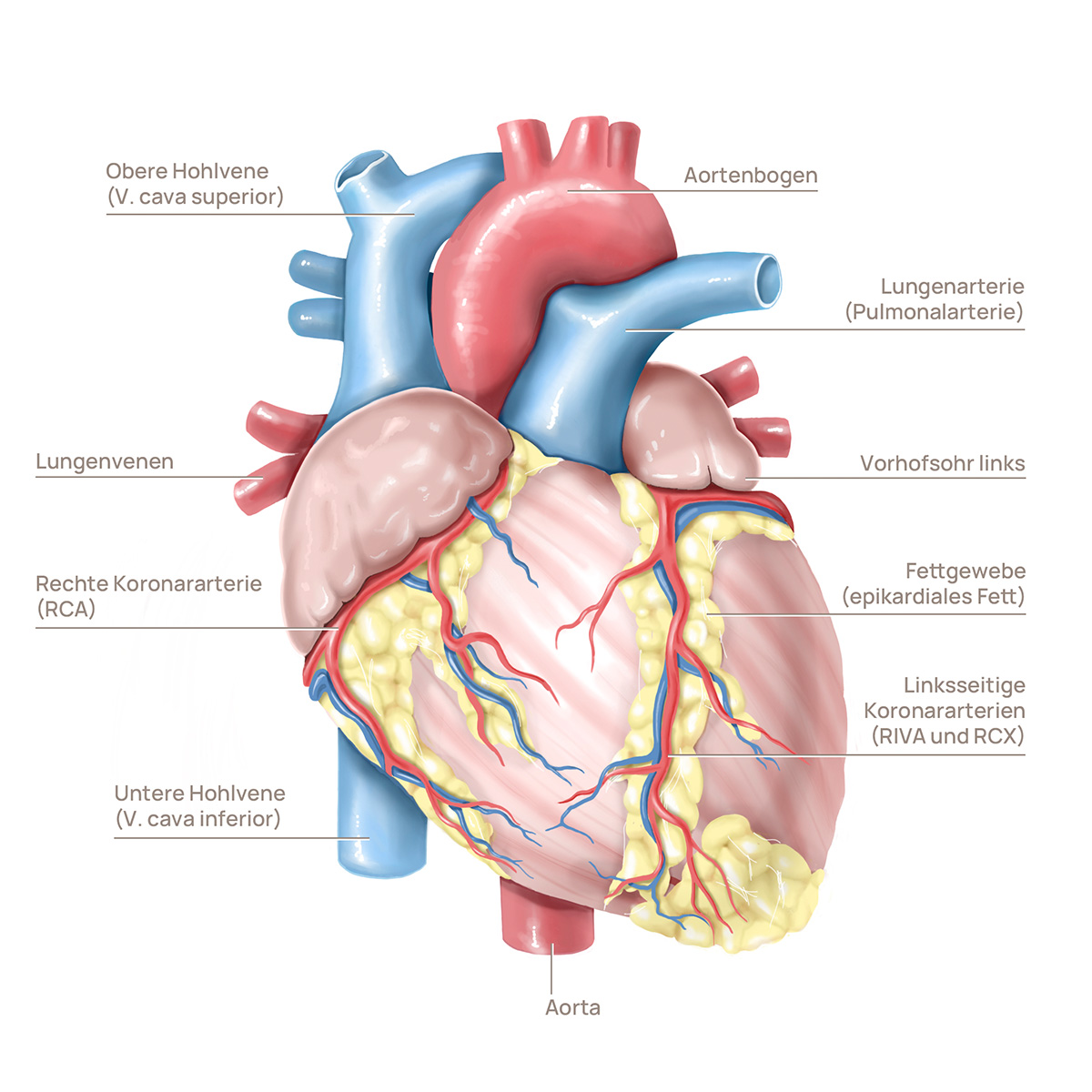
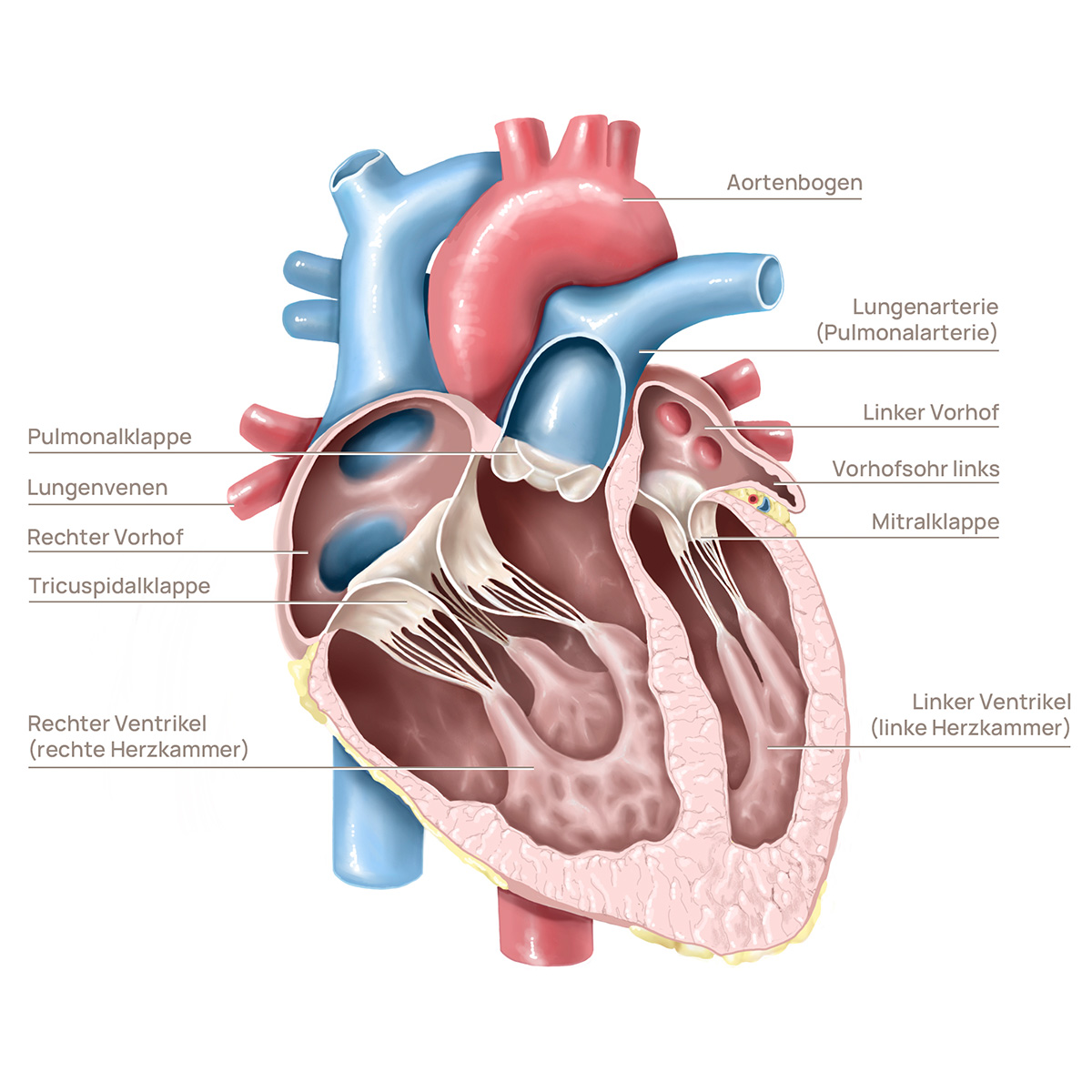
Endocarditis - inflammation of the inner wall of the heart
Endocarditis is a rare but serious inflammation of the endocardium, the inner layer of the heart that also surrounds the heart valves. It is often caused by bacteria that enter the bloodstream via skin lesions or mucous membranes. People with valvular heart disease or artificial heart valves are particularly at risk.
The most common symptoms of endocarditis include fever, fatigue, joint pain and, in severe cases, heart murmurs. If endocarditis is suspected, immediate medical clarification is important, as the disease can lead to heart failure if left untreated.
The best prevention is careful oral and dental hygiene and treatment of infections. Treatment usually involves long-term antibiotic therapy, but in severe cases surgical intervention may also be necessary to repair or replace infected heart valves.
Myocarditis - inflammation of the heart muscle
Myocarditis is an inflammation of the heart muscle that is often caused by viruses, but bacteria or autoimmune diseases can also play a role. It often occurs after flu-like infections and can go unnoticed or lead to heart failure.
Only a doctor can determine whether you have heart failure and how advanced the disease is. The diagnostics include
Infections such as flu, colds or gastrointestinal infections that have not been sufficiently cured are frequent triggers of myocarditis. Certain autoimmune diseases or medication can also increase the risk of inflammation.
Typical symptoms are fatigue, shortness of breath, chest pain and cardiac arrhythmia. These symptoms are often difficult to recognize, as they can also occur with other illnesses. In some cases, the symptoms remain mild or the disease goes unnoticed.
The most important measure for myocarditis is physical rest. In more severe cases, medication is used to support the heart and alleviate inflammation. The heart muscle usually recovers completely, but in rare cases the disease can lead to chronic heart failure.
Pericarditis - inflammation of the pericardium
Pericarditis refers to the inflammation of the pericardium, which surrounds and protects the heart. This disease is usually triggered by a viral infection, but can also be caused by rheumatic diseases or tumors.
Typical symptoms include stabbing chest pain, which becomes worse when breathing or lying down, as well as fever and general malaise. In severe cases, fluid can accumulate in the pericardium, which can impair heart function (pericardial effusion).
Mild cases of pericarditis usually heal on their own. Treatment depends on the cause of the inflammation. If the symptoms are severe or fluid accumulates in the pericardium, the fluid must be removed to avoid life-threatening complications such as cardiac arrest.
General symptoms of inflammatory heart disease
The symptoms of inflammatory heart disease are often non-specific and vary depending on the severity of the inflammation. They are often only noticed after a viral infection and resemble flu-like symptoms. The most common signs include
Tiredness and exhaustion
Shortness of breath during physical exertion
Palpitations or heart palpitations
Chest pain
Dizziness and fainting spells
Edema (water retention in the legs)
These symptoms should be taken seriously as they may indicate heart inflammation, which can lead to heart failure or other serious complications in the long term.
Prevention of inflammatory heart disease
Targeted prevention of heart infections is only possible to a limited extent. It is important to cure infections thoroughly and avoid physical exertion after flu-like infections. A healthy lifestyle with regular exercise, a balanced diet and no smoking can also reduce the risk of inflammatory heart disease.
Vaccinations and hygiene measures
Targeted prevention of heart infections is only possible to a limited extent. It is important to cure infections thoroughly and avoid physical exertion after flu-like infections. A healthy lifestyle with regular exercise, a balanced diet and no smoking can also reduce the risk of inflammatory heart disease.
Conclusion: early detection and treatment are crucial
Inflammatory heart diseases are serious conditions that can have serious consequences if left untreated. However, early diagnosis and the right treatment can in most cases prevent long-term damage and lead to a full recovery. Pay attention to the typical symptoms and seek medical advice in good time to keep your heart healthy in the long term.