Sports cardiology: Exercise for a healthy heart
What is sports cardiology?
Sports cardiology, a branch of sports medicine, deals with the relationship between sport and the cardiovascular system. The focus is on researching the effects of physical activity on the heart and the cardiological care of people who play sport - both recreational and competitive athletes. Particular attention is paid to the early detection of heart problems and the adaptation of the sports program in the case of existing heart disease.
Why is exercise good for the heart?
A lack of exercise and an unhealthy lifestyle are among the main factors behind cardiovascular disease. In particular, sitting and the associated inactivity increase the risk of suffering from heart disease. Exercise counteracts this by improving blood circulation, lowering blood pressure and reducing the risk of deposits in the arteries (atherosclerosis). This process slows down the progression of cardiovascular diseases such as heart attacks or strokes.
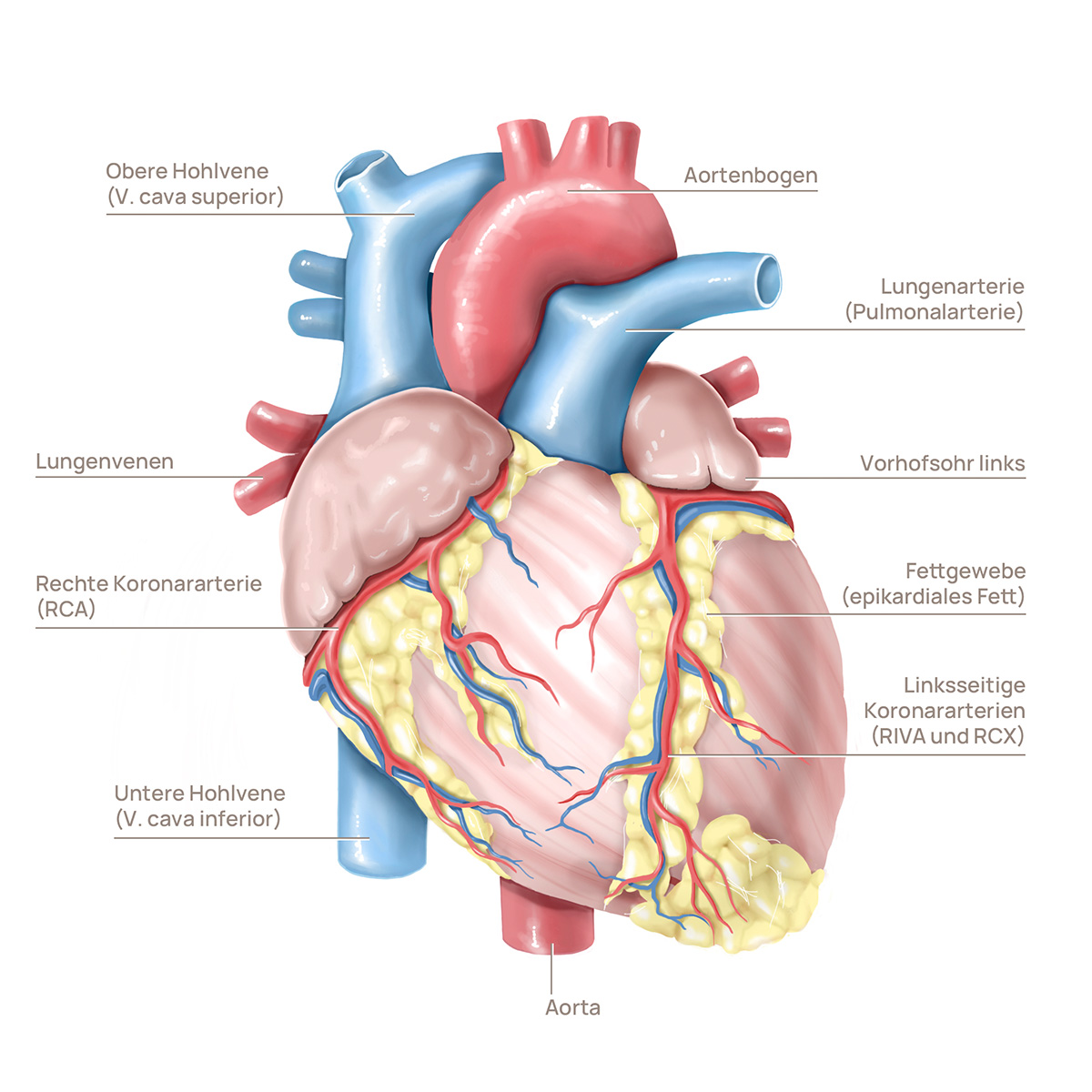
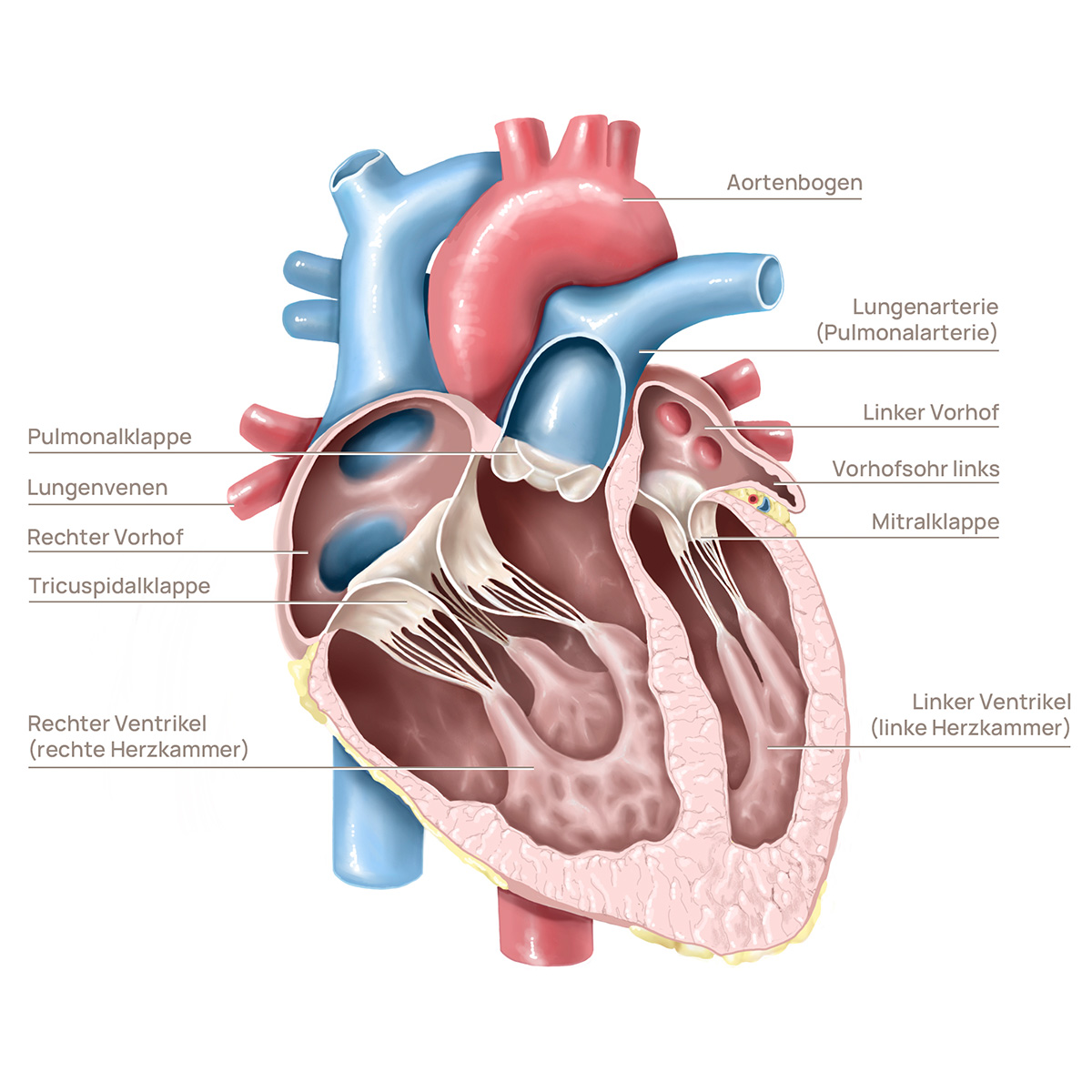
Structure of the heart
The benefits of endurance sports and strength training in cardio sports
Endurance sport as the core of cardio sport
In the case of heart disease, endurance training is the cornerstone of a health-oriented sports program. However, short-term and extremely high levels of exertion should be avoided as they could put too much strain on the heart. A gentle, steady increase in endurance, on the other hand, strengthens the heart and increases the body's oxygen supply.
Strength training and heart health
While cardio is focused on endurance, this does not mean that strength training is excluded. In certain cases, such as with older patients, light strength training can even be beneficial to increase the stability of the musculoskeletal system and reduce the risk of falling. It is important to dose the load and monitor the body closely to avoid overloading.
Sport for various heart diseases
Sport for coronary heart disease (CHD)
Coronary heart disease is caused by narrowing of the coronary arteries, which means that the heart receives less oxygen. During exercise, the heart has to pump faster to meet the increased oxygen demand. This increased pressure on the blood vessels can exacerbate the situation with coronary heart disease (CHD ). exacerbate the situation. However, medical interventions such as stents or bypasses can now effectively widen the vessels so that those affected can return to sporting activities after a regeneration phase.
Heart failure impairs the heart's ability to supply the body with sufficient oxygen. Physical activity increases the body's need for oxygen, which can worsen the symptoms. People with heart failure should therefore always seek medical advice before taking up sporting activities in order to avoid risks and receive an adapted training program.
High blood pressure is particularly dangerous if it is not diagnosed, as it can lead to heart attacks or strokes. However, once diagnosed and with the right medication, physical exercise is extremely beneficial. Regular exercise can lower blood pressure and in some cases reduce the need for medication.
Atrial fibrillation is a cardiac arrhythmia that often leads to symptoms such as palpitations or palpitations. For those affected, this often means limited resilience. Here too, however, exercise can help to stabilize the heart rhythm and reduce dependence on medication. With an individually tailored training plan, arrhythmias can be alleviated or even completely eliminated.
Prevention through sport
The prevention of heart disease is a central component of sports cardiology. Many cardiovascular diseases can be prevented through an active lifestyle. Regular exercise not only helps to strengthen the heart, but also to reduce risk factors such as obesity, high blood pressure and diabetes.
Physiotherapeutic support and long-term prevention
In addition to medical treatments, sports cardiology centers also offer preventive programs. These include physiotherapeutic measures that support targeted muscle development and thus improve the body's ability to function. The aim is to reduce the risk of heart disease in the long term through exercise.
Why does the body need exercise?
Special training programs for heart patients
Cardiac sports groups and motivation
Cardiac sports groups offer an ideal opportunity for those affected to exercise safely under professional guidance. These groups not only promote physical fitness, but also offer psychological benefits. The exchange with other sufferers increases motivation, which has a positive effect on long-term therapy and quality of life.
Individually adapted training programs
Every heart disease requires a specific training strategy. Before patients start an exercise program, they should undergo a comprehensive medical examination. The aim is to tailor the training to the individual's needs and limitations. For people with high blood pressure, atrial fibrillation or heart failure there are specialized programs that both improve heart function and increase resilience.
Cardiological examinations and check-ups
Performance diagnostics for ambitious athletes
Ambitious athletes who want to improve their performance benefit from comprehensive cardiological performance diagnostics. These examinations determine your current exercise capacity and help you to adapt your training optimally in order to increase your personal performance without overloading your heart.
Early detection of heart problems
One of the core tasks of sports cardiology is the early detection of heart problems. Regular check-ups allow cardiovascular risks to be identified and treated in good time. This is particularly important for competitive athletes, who often push themselves to the limit.
Regeneration phases after surgical procedures
Return to sport after heart surgery
Heart operations, such as the widening of narrowed vessels in coronary heart diseaseare now minimally invasive and require only short recovery times. Nevertheless, returning to sport should be done cautiously so as not to overload the heart. A gradual build-up program under medical supervision is essential here.
Conclusion: Exercise is the key to heart health
Sports cardiology shows how important regular exercise is for heart health. Sport can help to strengthen the heart, improve quality of life and even reduce the need for medication, both preventively and in the case of existing heart disease. Whether endurance training or moderate strength training - with the right medical support, sport is also a way for heart patients to lead a healthier life.