Women and heart attacks: risks, symptoms and prevention
Risk factors for women's hearts
What makes women's hearts sick?
Women usually suffer heart attacks at an older age, especially after the menopause, as the protective effect of female hormones diminishes. In addition to common risk factors such as high blood pressure, high blood lipid levels, obesity and lack of exercise, certain factors have a greater impact on women:
Structure of the heart
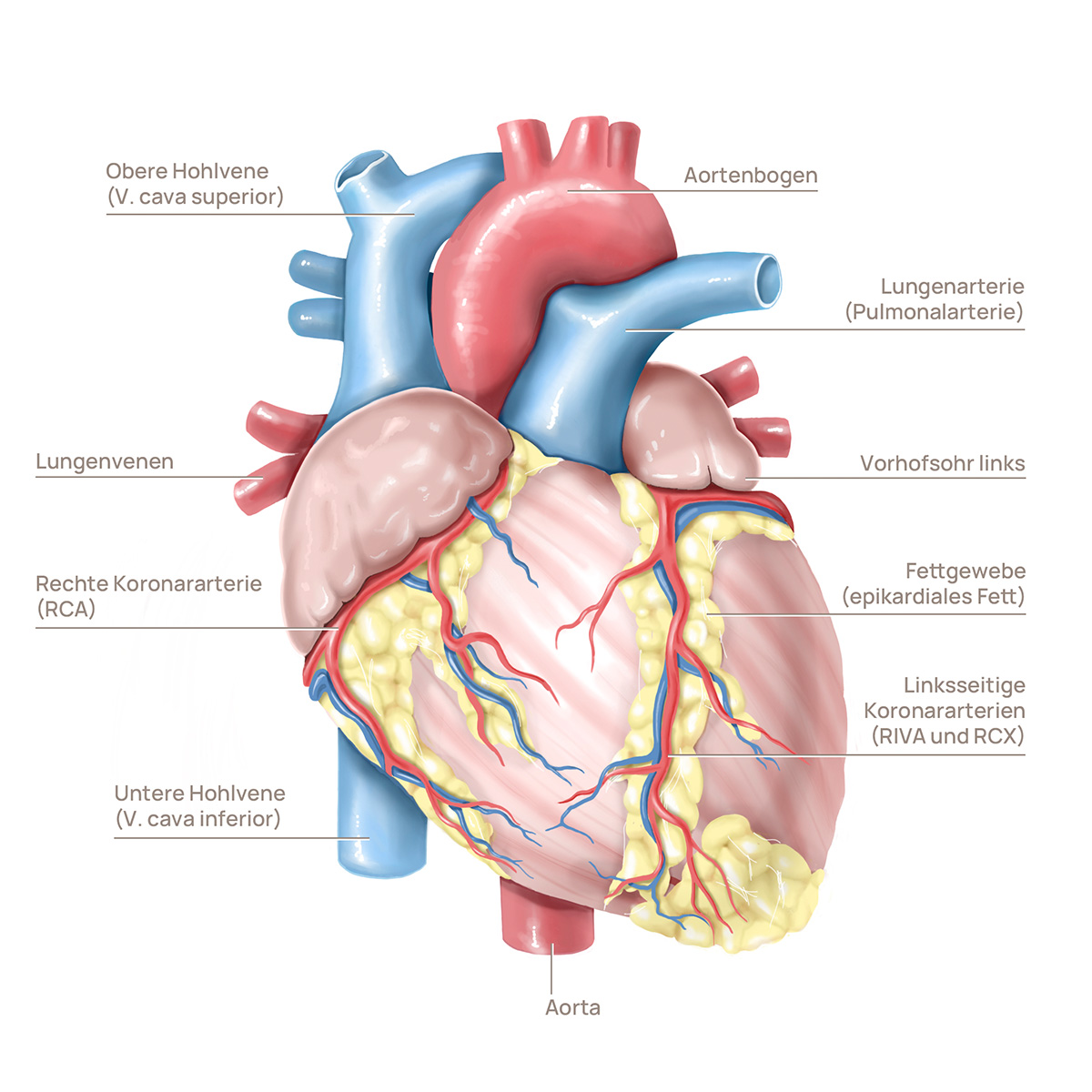
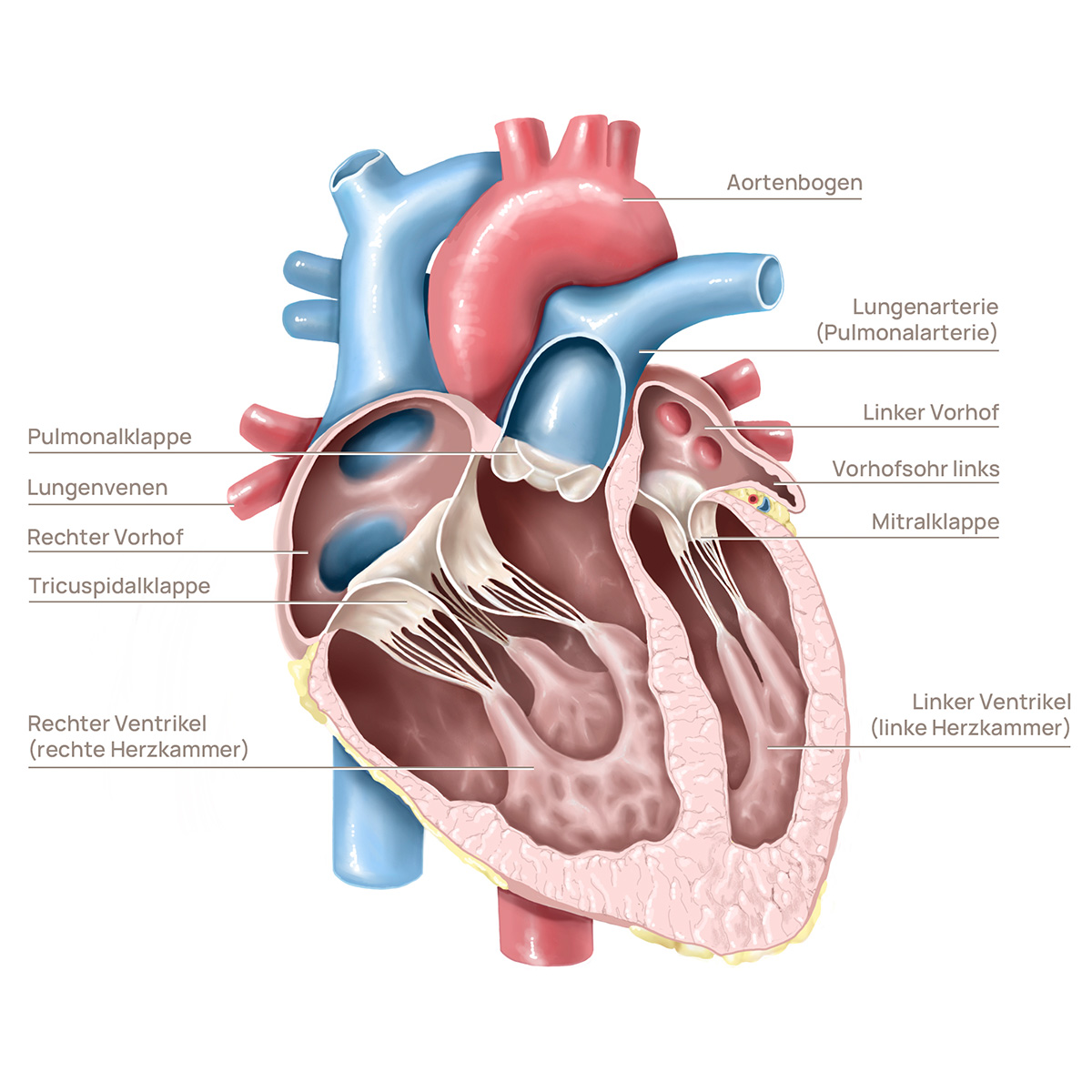
Prevention and treatment of heart problems in women with symptoms of coronary heart disease
What helps a woman's heart?
-
A balanced diet
-
Regular exercise
-
Little stress
-
An ideal body weight
-
Abstain from smoking and excessive alcohol
-
Regular monitoring of blood pressure
-
Cholesterol control
-
Blood sugar control
-
Regular preventive check-ups
-
Cholesterol
-
Blood sugar
-
Blood pressure
-
Weight
-
Nicotine
-
Family history
It is advisable to check these parameters much earlier. Women react differently to many medications and have special vascular characteristics. Gender medicine makes it possible to address and raise awareness of aspects specific to women in the prevention, diagnosis and treatment of cardiovascular diseases.
Heart attack in women
Heart attack: a common emergency in women
Although heart attacks occur less frequently in women than in men, they are a common cause of death. Heart attacks in women are more often fatal, as more women than men die of a heart attack before reaching hospital.
Women are at a higher risk of heart attack during the menopause. Before the menopause, women are better protected by their hormone levels. With the menopause, hormone levels decrease and the risk of heart attacks increases faster than in men of the same age.
Acute myocardial infarction
Women benefit just as much as men from the assessment and treatment with the catheter (invasive) and with medication. It is important that we treat them all equally.
Symptoms of a heart attack in women
Heart attacks are considered a typical male disease. This is why women, as well as the doctors treating them, often recognize the danger much later - also because the symptoms are less obvious in women than in men. The classic chest pain is often less pronounced in women, which means that many of those affected do not recognize the situation.
In the event of a heart attack, women are more likely than men to show symptoms that are non-specific. The typical signs of a heart attack in women include
-
Tightness in the chest
-
Pain in the upper abdomen
-
Nausea with vomiting
-
Tiredness or weakness
-
Jaw, neck or throat pain
-
Back pain
-
Severe shortness of breath
-
Shortness of breath
-
Drowsiness
-
Sweating
-
Pain or pulling in one or both arms
The typical chest pain may be completely absent. These non-specific symptoms are often misinterpreted as back or stomach problems, for example, which can be life-threatening.
Urgency and immediate measures for women
A heart attack is a medical emergency in which every minute counts to prevent the death of heart muscle cells and life-threatening cardiac arrhythmias. Studies show that women are often reluctant to call the emergency services to avoid causing unnecessary distress. This leads to a dangerous loss of time.
Conclusion
When should expert advice be sought?
Women often recognize heart attacks later than men because their symptoms are less obvious, which can be life-threatening. Typical signs in women include chest tightness, upper abdominal pain, nausea, fatigue, jaw or back pain and shortness of breath, while the classic chest pain is often absent. Women have a higher risk of heart attack after the menopause, as the protective hormone level decreases. Risk factors such as diabetes, smoking, stress and hormonal changes have a greater impact on women. Preventive measures such as a healthy lifestyle and regular medical check-ups are crucial. As heart attacks are more often fatal in women, it is important to call the emergency services immediately if you suspect a heart attack and to pay attention to the specific needs of women's health.