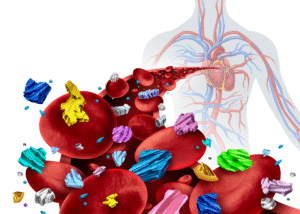
Have you ever experienced your heart suddenly starting to race - for no apparent reason? You're sitting quietly on the sofa, and all of a sudden: boom-boom-boom - your heart rate skyrockets. Welcome to the world of tachycardia, the medical term for a racing heart. It sounds harmless, but it can be quite worrying. In this article, you'll find out what's behind it, what causes it and what you can do if your heart is going "full throttle" again.
What is tachycardia?
Tachycardia refers to a rapid heartbeat, defined as more than 100 beats per minute. This condition can occur very briefly or last longer - depending on the cause.
The normal heartbeat - briefly explained
Normally, the human heart beats between 60 and 100 times per minute. In athletes, it can also be lower than this - no need to worry. However, if your heart beats significantly faster, it is worth taking a closer look.
The most common causes of palpitations
Palpitations can have many different causes - from harmless to requiring treatment.
The normal sinus rhythm can be too fast, this is known as sinus tachycardia. Other forms of rapid pulse are supraventricular tachycardia, atrial fibrillation/flutter or ventricular tachycardia.
Stress, anxiety & panic attacks
A common trigger for sinus tachycardia is psychological stress. When the body switches to fight-or-flight mode, it releases adrenaline - and the heart starts to race. Unpleasant, but often harmless.
Caffeine, alcohol & medication
Caffeine, nicotine, alcohol, drugs or certain medications (e.g. asthma sprays or thyroid medication) can also cause a rapid heartbeat or an acceleration of the normal sinus rhythm. Pay attention to your body's reactions and try to avoid the triggering substances.
Heart disease & physical causes
Palpitations can also be caused by so-called organic causes - such as atrial fibrillation/flutter, ventricular tachycardia or supraventricular tachycardia, hyperthyroidism, pulmonary embolism or anaemia. In these cases, medical clarification is essential.
Atrial fibrillation & other cardiac arrhythmias
This type of cardiac arrhythmia is one of the most common causes of persistent palpitations. It can go unnoticed, but increases the risk of stroke.
Symptoms - What does palpitations feel like?
Palpitations are not only manifested by a rapid pulse. Other symptoms also frequently occur:
Typical side effects of palpitations
- Trembling
- Sweating
- Dizziness, rarely unconsciousness
- Tightness in the chest
- Shortness of breath
- Restlessness or feelings of anxiety
If you experience such symptoms, this should be taken seriously - even if not every episode is dangerous.
When does palpitations become dangerous?
The big question: Do I need to see a doctor immediately - or is it harmless?
Acute emergency or harmless outlier?
If your heart beats at an accelerated rate for more than a few minutes and you feel shortness of breath or chest pain - don't hesitate: call an ambulance. Better one too many than one too few.
Diagnosis - How doctors find the cause
Recurrent palpitations should always be treated by a doctor. Various examinations help to get to the bottom of the cause.
ECG, long-term measurement & Co.
Common diagnostic methods are:
- Resting ECG
- Long-term ECG
- Exercise ECG
- Blood tests
- Cardiac ultrasound (echocardiography)
This allows cardiac arrhythmias or other underlying diseases to be detected at an early stage.
Treatment options for palpitations
The good news is that there are many approaches to treating palpitations - both acute and long-term.
Try the following tricks to calm your heartbeat:
- Vagus maneuver: hold your nose, close your mouth and press (like when having a bowel movement)
- Drink cold water
- Take a deep breath
- Lie flat and elevate your legs
These methods can help to calm the autonomic nervous system.
Depending on the cause, your doctor may prescribe the following medication:
- Beta blockers
- Calcium antagonists
- Antiarrhythmics
Please never take medication without consultation - a precise diagnosis is a prerequisite.
In some cases, a minor procedure can help, e.g. catheter ablation, in which certain conductors in the heart are sclerosed. In other cases, it is enough to adjust your lifestyle - less stress, a healthy diet and exercise.
Treating palpitations naturally - is it possible?
In addition to conventional medical therapy, there are also gentle methods of support.
Breathing techniques & relaxation
Relaxation techniques such as 4-7-8 breathing, meditation or progressive muscle relaxation can help to calm the body and therefore also the heart.
Nutrition and exercise
Make sure you eat a balanced diet with little caffeine, sugar and alcohol. Regular exercise - no extremes, but walks or yoga, for example - also has a positive effect on your cardiovascular system.
Conclusion - What you can do against palpitations
Palpitations can have many causes - harmless or in need of treatment. The important thing is Take your body's signals seriously. Have palpitations checked out if they occur more frequently or are accompanied by other symptoms. And remember: there are many ways to alleviate acute symptoms as well as to ensure a calmer heart in the long term.