Preventive cardiology
Preventive cardiology aims to detect cardiovascular diseases such as heart attacks at an early stage and prevent them by taking appropriate measures. Prevention plays a central role in this context. The risk can be significantly reduced with the help of targeted examinations and lifestyle optimization.
What is preventive cardiology?
Preventive cardiology deals with the early detection and treatment of risk factors that can lead to heart attacks and other cardiovascular diseases. Modern diagnostic methods are used to introduce targeted preventive measures.
Why is preventive care for the heart so important?
Cardiovascular diseases are among the most common causes of death worldwide. Regular cardiac screening can help to detect dangerous diseases at an early stage and initiate the right treatment. Heart screening plays a particularly important role for people with an increased risk, for example due to high blood pressure, diabetes or a family history.
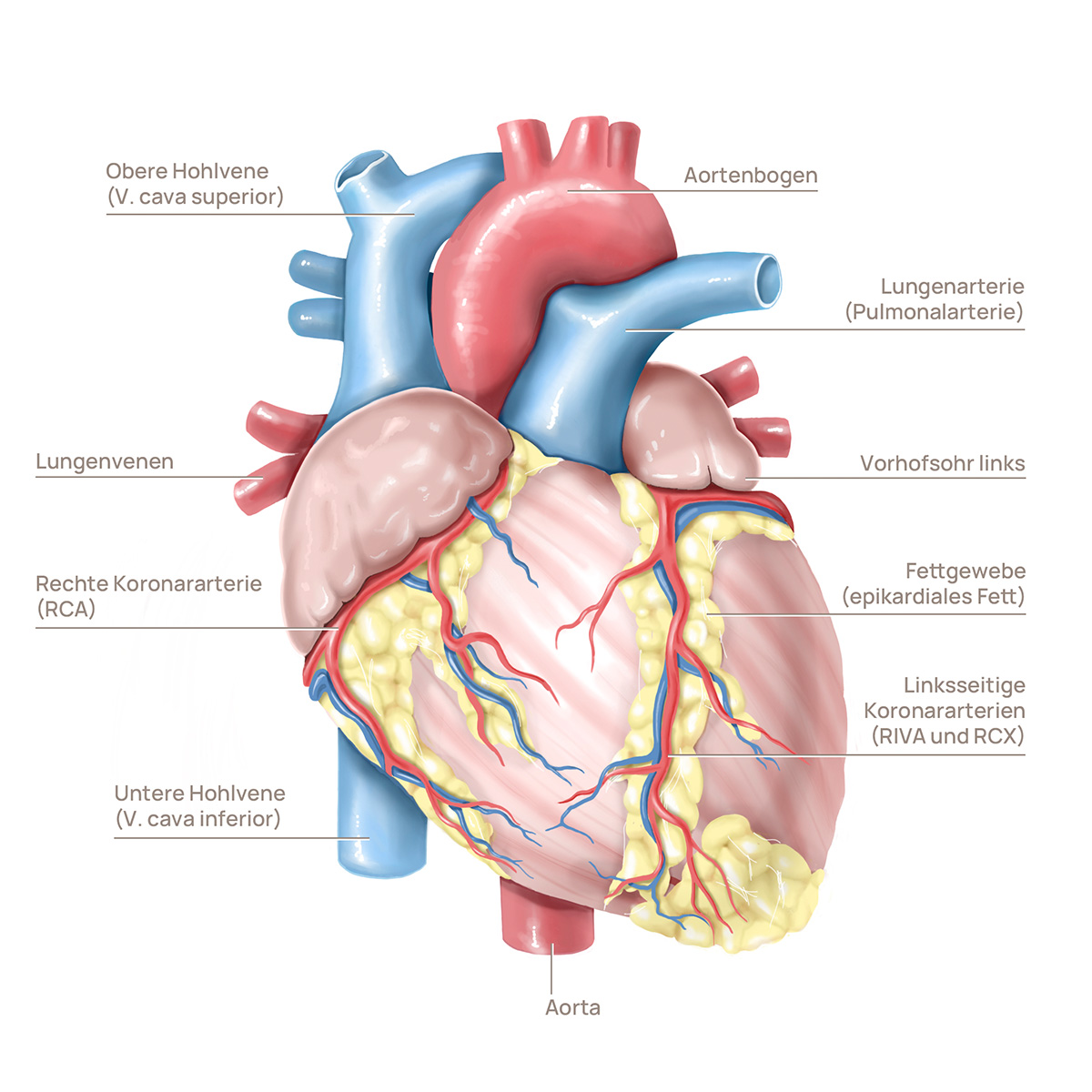
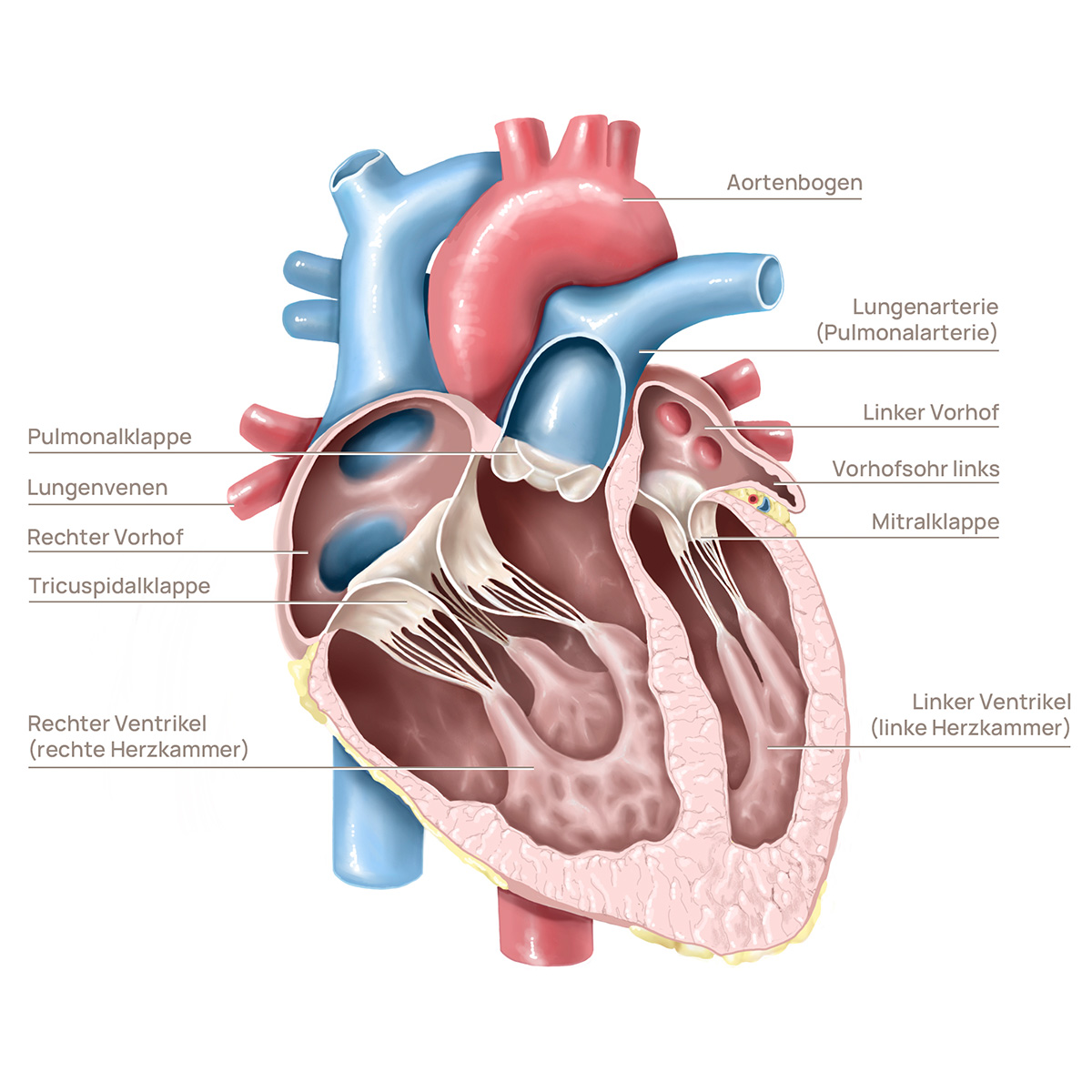
Structure of the heart
Risk factors for cardiovascular disease
Heart attacks and other heart diseases can be promoted by various risk factors. These can be divided into controllable and uncontrollable factors.
Risk factors that can be influenced include high blood pressure, high cholesterol levels, smoking, lack of exercise and an unhealthy diet. These factors can be significantly reduced through targeted lifestyle changes.
Risk factors that cannot be influenced include age, gender and a genetic predisposition. For example, men have a higher risk of developing heart disease, while the risk increases in women after the menopause.
Strategies for the prevention of heart attacks
In preventive cardiology, various strategies are used to minimize the risk of a heart attack.
Primary prevention - how to avoid heart disease
Primary prevention aims to avoid risk factors before they even arise. These include a healthy diet, regular exercise and refraining from smoking and excessive alcohol consumption.
Secondary prevention - recognizing risks early and taking action
Secondary prevention is about recognizing existing risks at an early stage and treating them in a targeted manner. This includes regular check-ups, such as a cardiac check-up, which make it possible to identify potential risks and take action in good time.
The role of lifestyle changes in heart prevention
A healthy lifestyle is one of the most important factors in heart prevention. Changing habits can significantly reduce the risk of heart disease.
Medical interventions for heart attack prevention
In addition to lifestyle changes, medical measures also play a decisive role in preventing heart attacks. These include medication that lowers blood pressure, regulates cholesterol levels or stabilizes blood sugar.
How can preventive cardiology help you?
Preventive cardiology offers comprehensive preventive measures that can minimize the risk of heart disease and heart attacks. Through a combination of a healthy lifestyle and regular check-ups, you can actively protect your heart health.